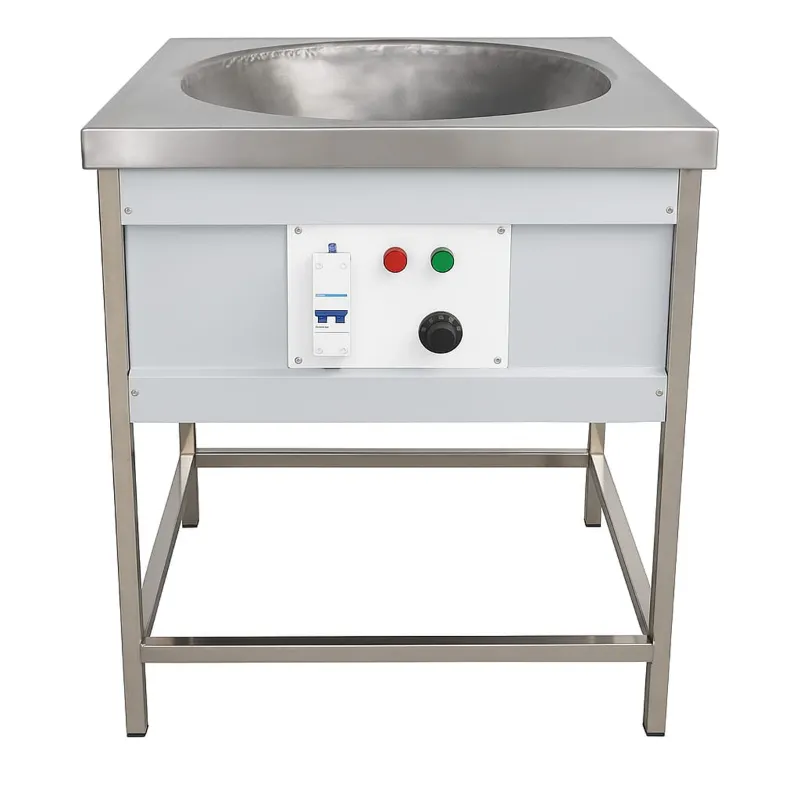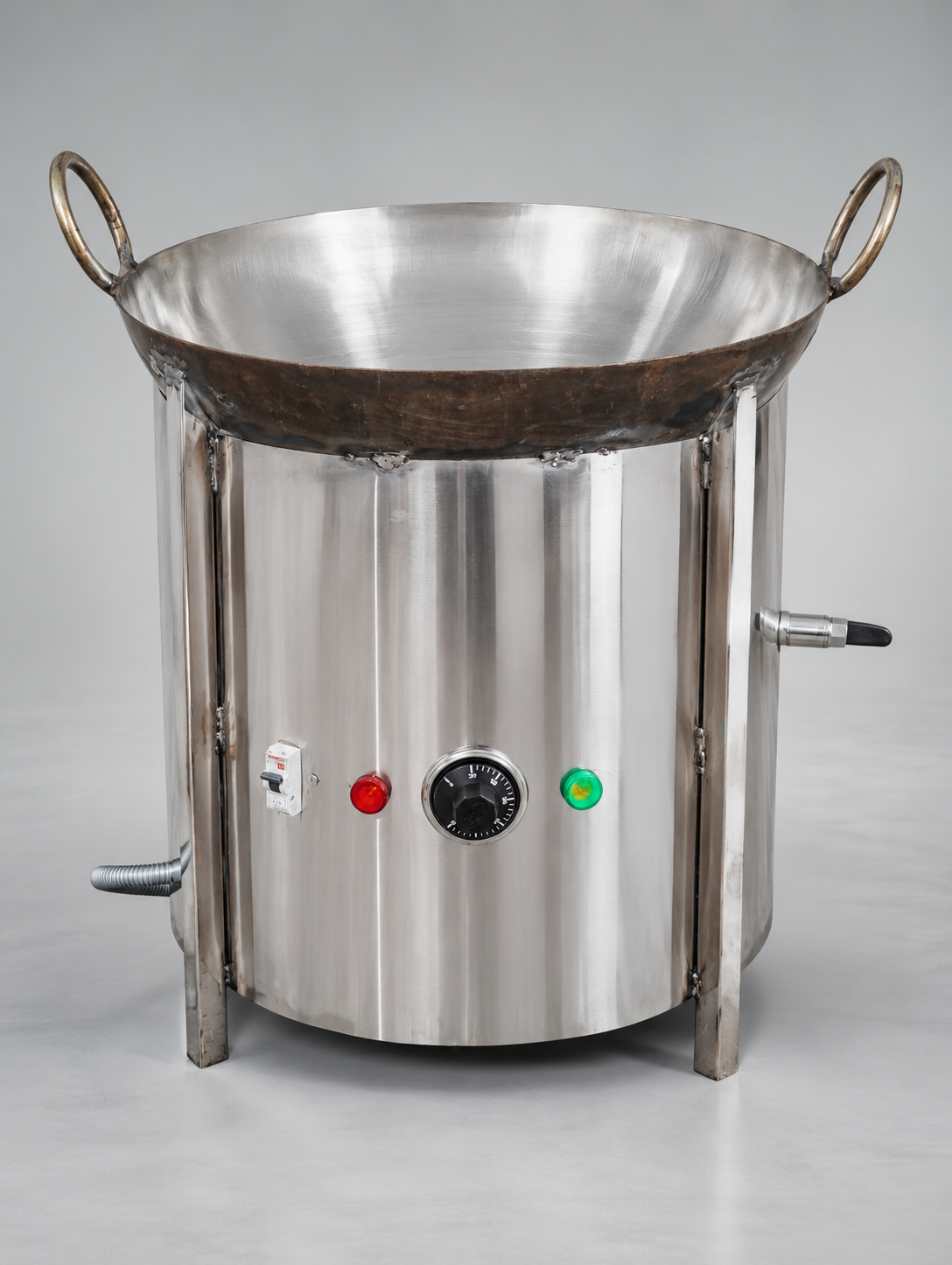
₹17,999
₹25,000
Save ₹7,00128% off
Free deliveryOnly 10 left
₹17,999
₹25,000
Save ₹7,00128% off
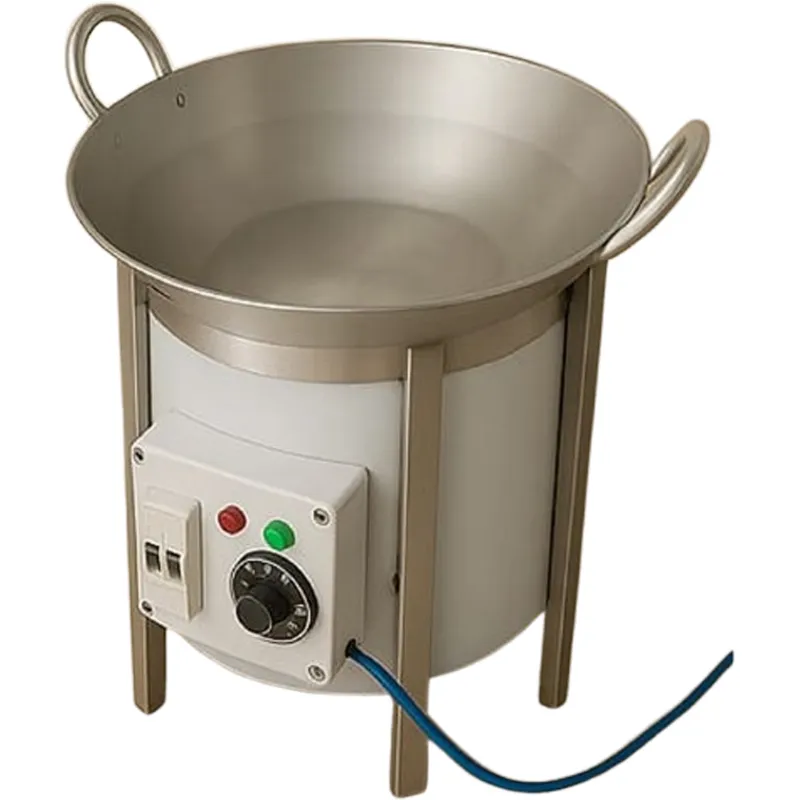
₹14,999
₹17,999
Save ₹3,00016% off
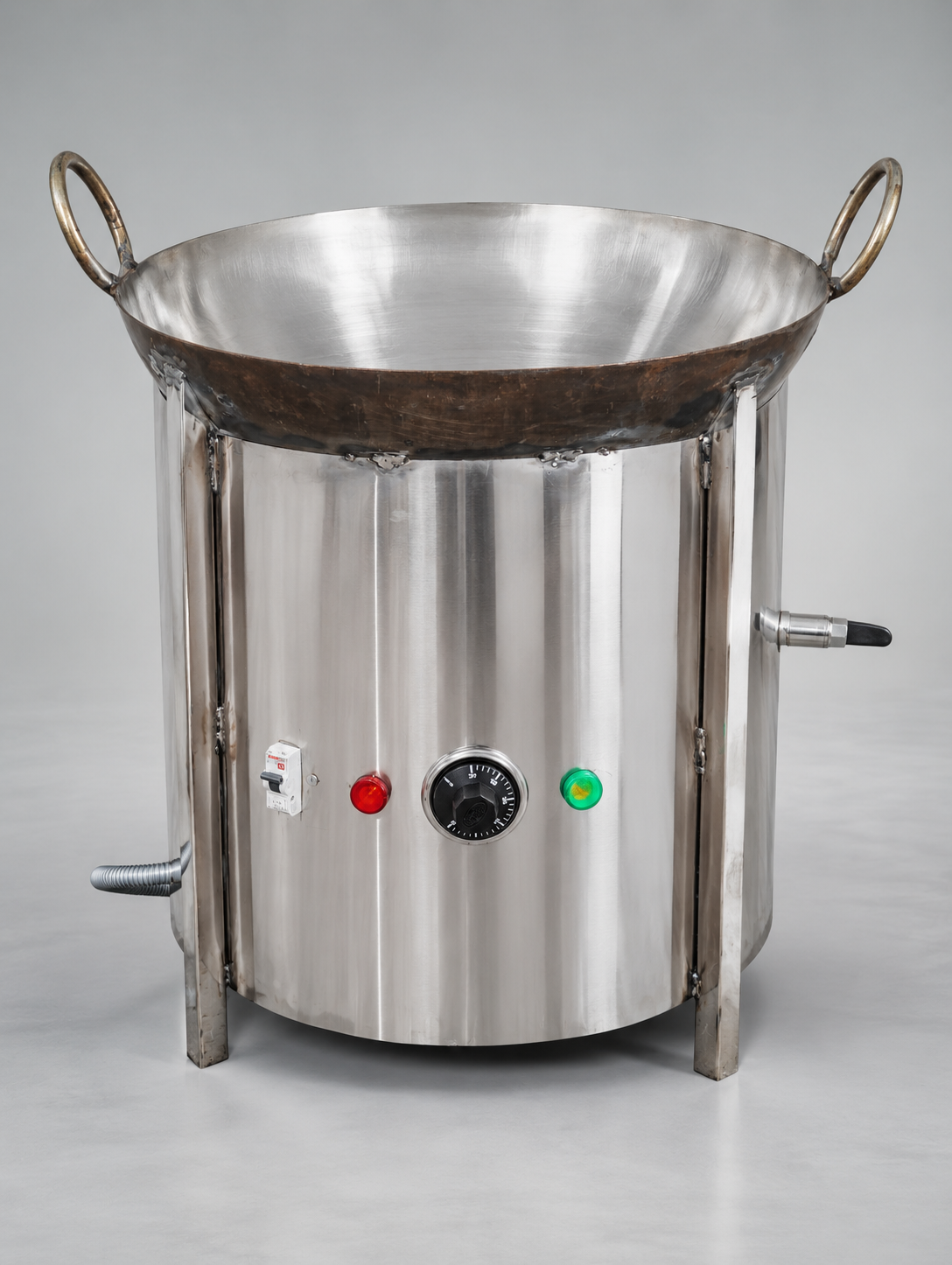
₹18,999
₹26,000
Save ₹7,00126% off
₹20,999
₹28,000
Save ₹7,00125% off
₹19,999
₹27,000
Save ₹7,00125% off
₹13,600
₹15,999
Save ₹2,39914% off
₹16,999
₹20,599
Save ₹3,60017% off
₹11,000
₹13,999
Save ₹2,99921% off
₹17,999
₹25,000
Save ₹7,00128% off
₹14,999
₹17,999
Save ₹3,00016% off
₹18,999
₹26,000
Save ₹7,00126% off
₹20,999
₹28,000
Save ₹7,00125% off
₹19,999
₹27,000
Save ₹7,00125% off
₹13,600
₹15,999
Save ₹2,39914% off
₹16,999
₹20,599
Save ₹3,60017% off
₹11,000
₹13,999
Save ₹2,99921% off
Related Products
Compare a few similar options before moving on to the keyword guidance below.
Buyer Guide
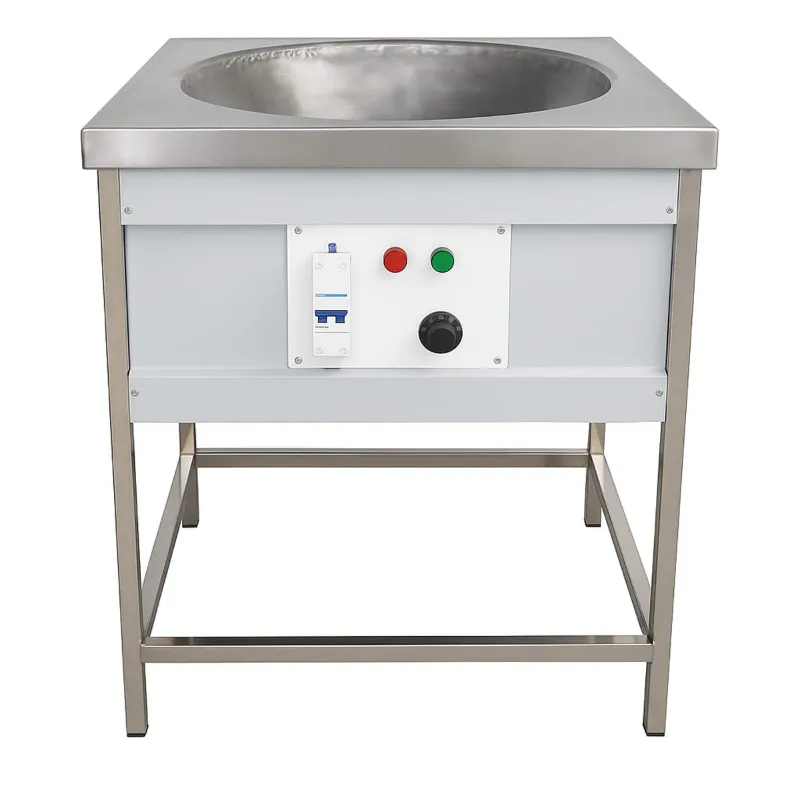
Round electric kadai machines remain the standard commercial choice for frying, sauteing, boiling, and batch cooking because circular heat flow is easier to control and the pan shape supports smoother stirring. For most buyers, the decision should start with daily output, then move to wattage, steel quality, heating layout, and electrical readiness. A strong buyer guide should answer how the machine will behave in a commercial kitchen, not just what its capacity is. In practice, most businesses outgrow under-sized kadais quickly because the kitchen loses time waiting between batches. At the same time, oversizing can create unnecessary load and slower...
Buyer Guide
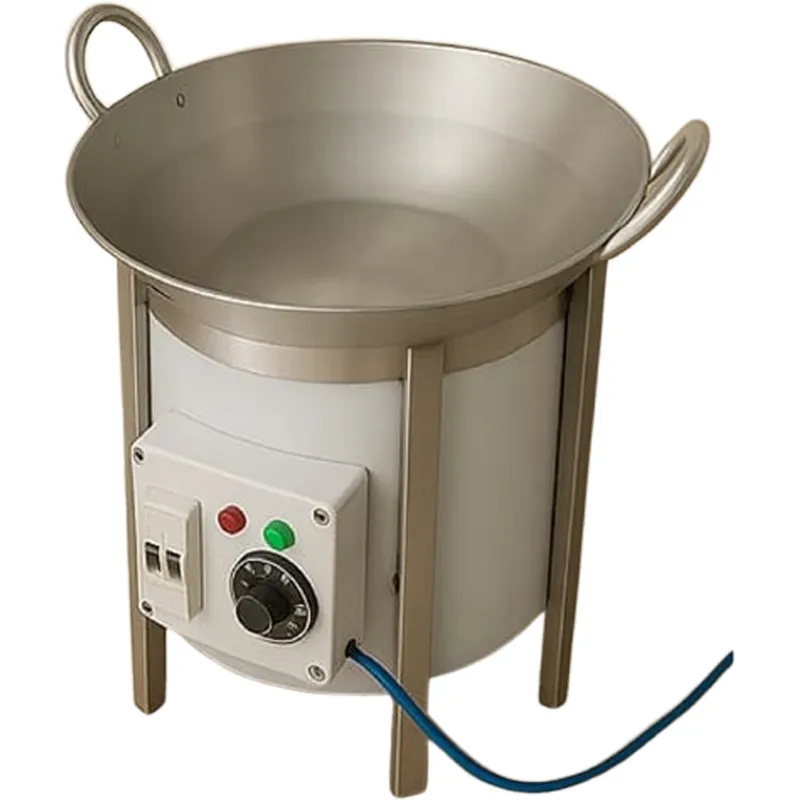
Round electric kadai machines remain the standard commercial choice for frying, sauteing, boiling, and batch cooking because circular heat flow is easier to control and the pan shape supports smoother stirring. For most buyers, the decision should start with daily output, then move to wattage, steel quality, heating layout, and electrical readiness.
Capacity: 6-10 litre
Size: 05-15 inch pan
Best for: Tea stalls, compact snack counters, starter setups
Output: Low to moderate batch volume
Use case: Samosa, pakora, small frying runs, quick snack service
Capacity: 10-16 litre
Size: 20-24 inch pan
Best for: Restaurants, food courts, regular commercial kitchens
Output: Steady service across lunch and evening rush
Use case: Curries, frying, sweets, gravies, mixed-menu operations
Capacity: 22-30 litre
Size: 18-30 inch pan
Best for: Catering, cloud kitchens, bulk production counters
Output: Continuous or high-volume production
Use case: Bulk frying, sweets work, festival demand, repeated batch cooking
A strong buyer guide should answer how the machine will behave in a commercial kitchen, not just what its capacity is. In practice, most businesses outgrow under-sized kadais quickly because the kitchen loses time waiting between batches. At the same time, oversizing can create unnecessary load and slower heat-up for operators who only run short service windows. The best selection comes from matching menu type, portion pressure, and service rhythm to the machine.
Commercial buyers also benefit from comparing round and square geometry honestly. Round electric kadais are usually better for general frying and cooking because the shape supports heat flow and easy movement with ladles or skimmers. That is why they remain the default choice across snack counters, sweets preparation, and mixed-menu kitchens. If the main job is everyday cooking with dependable heat behavior, round is the safer commercial baseline.
Explore related categories
FAQs
A compact to mid-size model is usually the practical starting point for snack stalls. If the menu includes repeated frying or mixed items, moving one size up gives better service flexibility.
Smaller low-load models may work only if the point is dedicated and correctly wired, but true commercial units should be matched with proper electrical planning. Heavy-duty machines should never be guessed into a home-style circuit.
Element life depends on usage style, cleaning discipline, and whether the machine is overheated or run improperly. In regular commercial use, good operating habits usually matter more than advertised lifespan claims.
For general frying and cooking, round remains the standard choice because the shape supports even heat movement and easier stirring. Square models are useful in specific counter layouts, but round is usually the safer all-purpose option.
Check wattage, steel quality, pan thickness, control system, stand stability, cleaning access, and the kind of food you will cook most often.
For commercial food use, better food-contact material and stronger build quality usually give better hygiene and longer working life. Buyers should always confirm the actual steel specification instead of assuming from product photos.
That depends on size, load, and how the machine will be used. Buyers doing higher-volume or heavier-duty work should compare the heating layout with the intended production level before choosing.
Large round kadai machines are usually more suitable for catering, sweets production, cloud kitchens, and businesses that run repeated commercial batches throughout the day.
Many machines can handle mixed kitchen tasks, but the best choice depends on pan depth, heat control, and how frequently you switch between menu types. Buyers with mixed menus should prioritize stable control over raw size alone.
Compare by use case, build quality, electrical suitability, and service support. A machine that fits your kitchen correctly is more valuable than a listing that only looks attractive on specifications.
Leave enough space for the operator to move comfortably, clean the sides, and manage hot utensils safely. A machine that fits tightly on paper can still feel awkward during real service.
Usually, yes, but the real draw depends on how the machine is built and how often it runs at full load. A slightly bigger model can still be the better choice if it matches your actual output needs.
Start with your busiest hour, not your average day. If the machine can handle the rush without making the kitchen feel cramped, it is usually the safer choice.
Not always. Bigger capacity helps only when your service volume actually needs it. If the machine is too large for your daily work, it can slow heating and waste counter space.
Quite a lot. In real commercial use, easy cleaning and practical oil handling save time every day and make the machine easier for staff to keep in shape.
Yes, many buyers use it for both. The main thing is to match the pan depth and heat control to the way your menu actually runs, so the machine feels comfortable during service.
It is usually quieter than gas-based cooking setups because there is no open burner sound. Most of the noise comes from the staff, utensils, and busy kitchen environment rather than the machine itself.
Ask about power requirement, pan size, control style, cleaning routine, and whether the machine matches your menu. Those answers tell you much more than a quick product photo ever will.
Only if the next stage of your business is realistic and close. Buying too large too early can make the machine harder to manage and may reduce everyday comfort for staff.
Wipe it down after use, avoid hard scraping on the surface, keep the wiring and control area dry, and schedule regular checks if the machine runs all day. Small habits matter more than occasional deep cleaning alone.
Snack stalls, restaurants, sweet shops, food courts, and catering teams usually benefit the most because they need repeatable output and a steady cooking rhythm.
Explore More
Buy round electric kadai machines online in India for commercial kitchens, restaurants, snack stalls, and food businesses with secure checkout and support.
round electric kadai, commercial round electric kadai, electric kadai machine, electric kadhai machine, stainless steel electric kadai, electric kadai buy online, round electric kadai for restaurant, commercial electric kadai India
Round electric kadai machines remain the standard commercial choice for frying, sauteing, boiling, and batch cooking because circular heat flow is easier to control and the pan shape supports smoother stirring. For most buyers, the decision should start with daily output, then move to wattage, steel quality, heating layout, and electrical readiness.
Confirm whether the kitchen has a dedicated high-load electrical point for the machine.
Check the expected batch count during peak hours instead of buying only by pan size.
Review steel grade, pan finish, and whether the machine is meant for heavy daily use.
Ask about heating layout, control type, and how easy it is to clean after oil-heavy cooking.