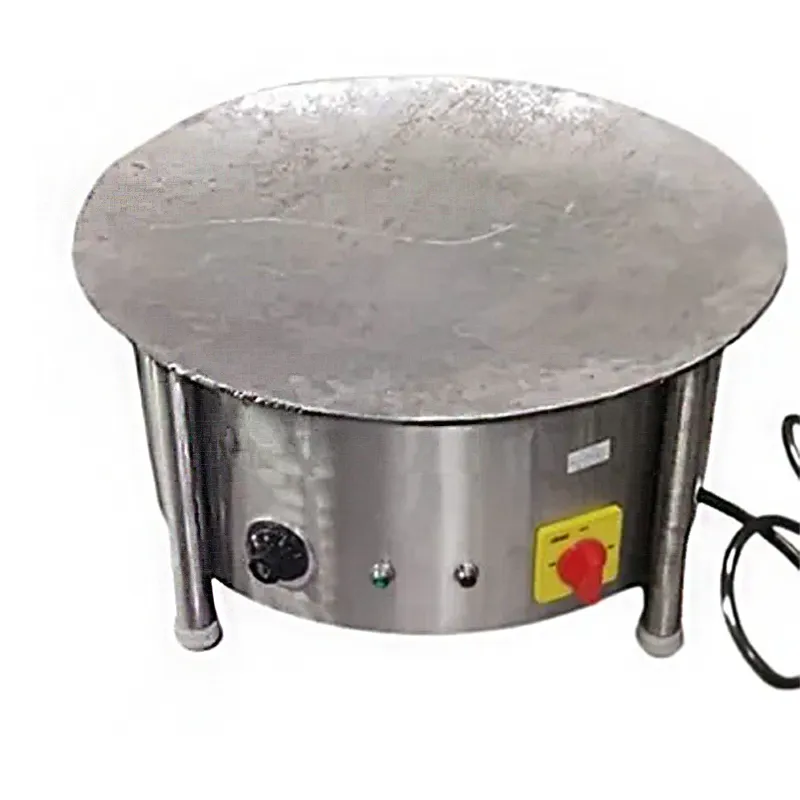
₹10,500
₹12,999
Save ₹2,49919% off
Free deliveryIn Stock
₹10,500
₹12,999
Save ₹2,49919% off
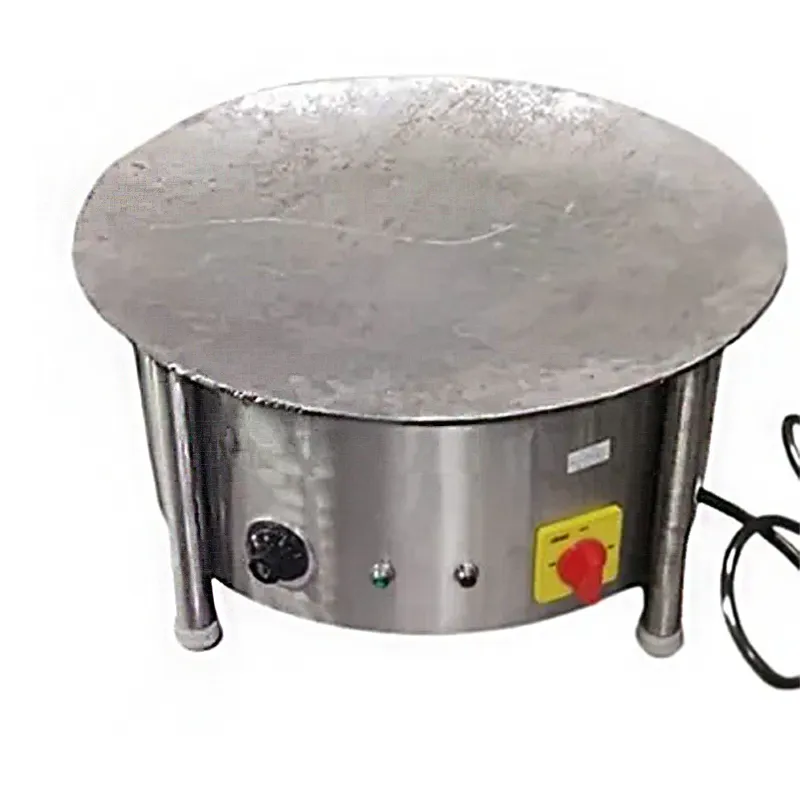
₹12,250
₹14,999
Save ₹2,74918% off
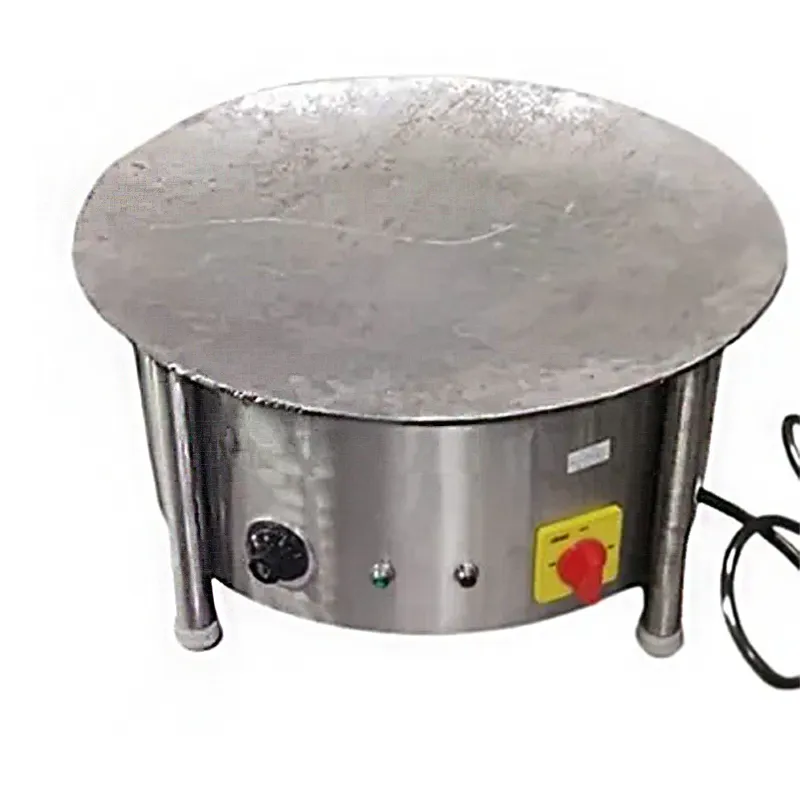
₹12,220
₹14,999
Save ₹2,77918% off
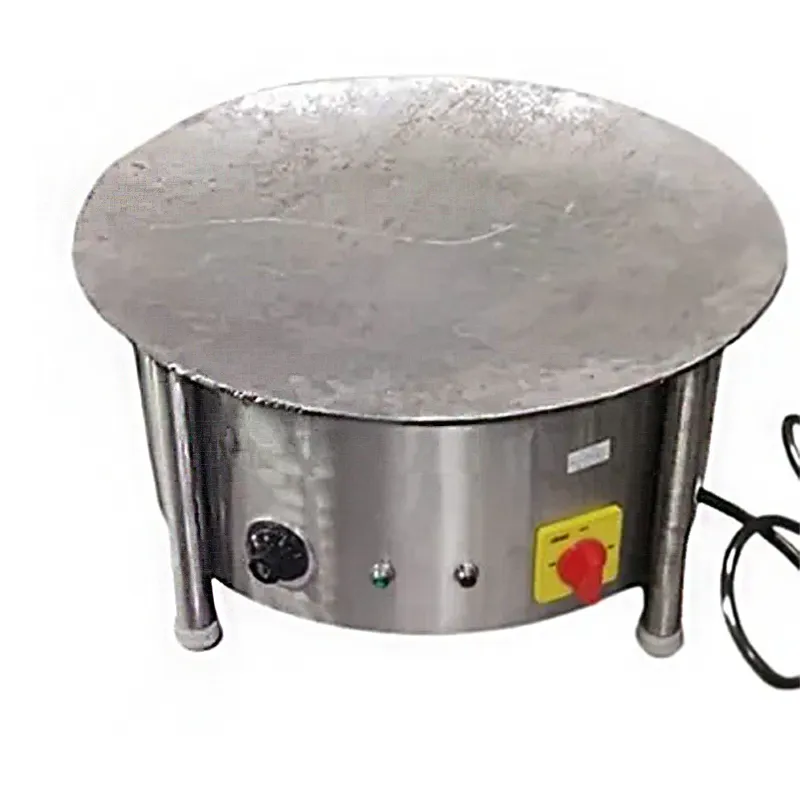
₹15,000
₹16,999
Save ₹1,99911% off
₹17,999
₹19,999
Save ₹2,00010% off
₹15,600
₹16,999
Save ₹1,3998% off
₹16,999
₹21,999
Save ₹5,00022% off
₹15,999
₹18,999
Save ₹3,00015% off
₹13,000
₹14,999
Save ₹1,99913% off
₹10,500
₹12,999
Save ₹2,49919% off
₹12,250
₹14,999
Save ₹2,74918% off
₹12,220
₹14,999
Save ₹2,77918% off
₹15,000
₹16,999
Save ₹1,99911% off
₹17,999
₹19,999
Save ₹2,00010% off
₹15,600
₹16,999
Save ₹1,3998% off
₹16,999
₹21,999
Save ₹5,00022% off
₹15,999
₹18,999
Save ₹3,00015% off
₹13,000
₹14,999
Save ₹1,99913% off
Related Products
Compare a few similar options before moving on to the keyword guidance below.
Buyer Guide
Electric tawa machines should be selected by plate size, menu type, and service rhythm. A dosa counter, a pav bhaji setup, and a roti-paratha station may all use an electric tawa, but the right plate size and body design will differ depending on how many items need to be cooked at the same time. The best electric tawa purchase is usually the one that matches the menu exactly. Buyers often compare too many technical labels without first deciding whether the counter needs a dosa plate, a pav bhaji-friendly flat surface, or a broader general-purpose restaurant tawa. Once the menu need...
Buyer Guide
Electric tawa machines should be selected by plate size, menu type, and service rhythm. A dosa counter, a pav bhaji setup, and a roti-paratha station may all use an electric tawa, but the right plate size and body design will differ depending on how many items need to be cooked at the same time.
Capacity: Smaller service plate
Size: 5-10 inch class
Best for: Small stalls, compact cafes, limited-space counters
Output: Focused single-station production
Use case: Pav bhaji, paratha, compact dosa or breakfast service
Capacity: Regular restaurant plate
Size: 10-18 inch class
Best for: Restaurants, dosa counters, food stalls, snack outlets
Output: Steady all-day service
Use case: Dosa, roti, paratha, mixed menu flat-surface cooking
Capacity: Larger plate format
Size: 18-26 inch and above
Best for: Busy counters, high-footfall stalls, repeated batch production
Output: Higher simultaneous cooking capacity
Use case: Larger breakfast service, bulk counter output, busier restaurant windows
The best electric tawa purchase is usually the one that matches the menu exactly. Buyers often compare too many technical labels without first deciding whether the counter needs a dosa plate, a pav bhaji-friendly flat surface, or a broader general-purpose restaurant tawa. Once the menu need is clear, size and build decisions become much easier to make.
Commercial electric tawa pages are stronger when they show how a buyer should think: plate size, working area, heat stability, and cleaning practicality. These machines are often used during repeated service windows, so a tawa that looks impressive but is awkward in daily use will not help the kitchen. Real buying confidence comes from fit, output, and ease of operation.
Explore related categories
FAQs
Electric tawa machines are used for flat-surface cooking in restaurants, stalls, and commercial kitchens. Common uses include dosa, roti, paratha, pav bhaji, and similar menu items.
Choose based on your menu, peak-hour order load, and how many items need to cook at once. The best size is the one that supports your busiest service period comfortably.
Yes. Electric tawa machines are widely used in restaurants, food stalls, snack counters, and breakfast setups where consistent flat-surface cooking is needed.
Check plate size, heat consistency, surface finish, cleaning ease, counter fit, electrical suitability, and whether the machine matches your actual menu style.
No. A larger tawa only helps if the kitchen truly needs more working area and has enough space and service pressure to use it efficiently.
Many commercial tawa machines can support mixed-menu use, but buyers should still choose based on plate size, heat behavior, and service style rather than assuming one machine fits every menu equally well.
Restaurants, breakfast counters, pav bhaji stalls, dosa stations, and snack outlets all benefit when their service model depends on fast repeated flat-surface cooking.
Yes. Plate build and surface quality are important because they affect heat handling, cooking confidence, and day-to-day commercial use.
Yes, if the menu is focused and output is moderate. Small stalls often perform better with a right-sized tawa than with a large machine that wastes space.
Compare by menu fit, working area, surface quality, counter suitability, and operational ease. The best tawa is the one that suits your service flow, not just the biggest body.
Explore More
Buy commercial electric tawa machines online in India for dosa, roti, paratha, pav bhaji, and fast cooking setups with secure checkout and support.
electric tawa, commercial electric tawa, electric dosa tawa, electric roti tawa, electric paratha tawa, commercial electric tawa, electric dosa tawa machine, electric pav bhaji tawa
Electric tawa machines should be selected by plate size, menu type, and service rhythm. A dosa counter, a pav bhaji setup, and a roti-paratha station may all use an electric tawa, but the right plate size and body design will differ depending on how many items need to be cooked at the same time.
Decide whether the tawa is mainly for dosa, roti, paratha, pav bhaji, or mixed use.
Choose plate size based on simultaneous cooking need during peak hours.
Check plate finish, heating consistency, and day-to-day cleaning comfort.
Measure the real counter space before choosing a larger body.